

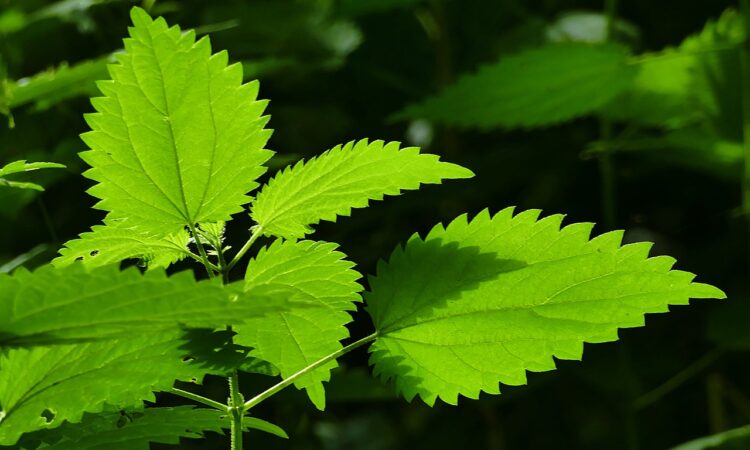
Urtica dioica, Nettle, Isırgan otu, Brandnetel, Brennesle,, Τσουκνίδα, Крапива, Ortiga, 荨麻, Brennnessel, Nesle, Ortica, イラクサ, Pokrzywa zwyczajna. القراص – حريقة
Urtica dioica: Beyond the Sting
Urtica dioica, more commonly known as stinging nettle, is a surprising plant. Despite its name and the unpleasant surprise of its bristling hairs, stinging nettle boasts a rich history and a surprising range of uses. This versatile perennial has been a source of fascination and utility for centuries, transitioning from a medicinal mainstay in ancient civilizations to a modern culinary innovation.
A Stinging Past, a Promising Future
While most encounters with stinging nettles involve a quick brush and a jolt of pain, this plant has a far more distinguished past. Ancient Greeks valued it for its ability to soothe joint pain and arthritis. The Romans, ever the pragmatists, believed it could ward off evil spirits and bring good luck. Even Native Americans incorporated stinging nettles into their traditions, using them for everything from managing arthritis to crafting sturdy ropes.
Urtica Dioica: A Chemical Powerhouse
Stinging nettle, beyond its familiar sting, possesses a remarkable chemical profile. This versatile plant boasts over 50 unique compounds, categorized as both lipophilic (fat-soluble) and hydrophilic (water-soluble). These include sterols, triterpenes, coumarins, phenols, lignans, ceramides, and fatty acids. Interestingly, the distribution of these compounds varies throughout the different parts of the nettle plant.
But the benefits of stinging nettle go beyond just its complex chemical makeup. It’s also a nutritional powerhouse, offering a valuable spectrum of vitamins and minerals that contribute to overall health.
- Vitamins: Stinging nettle is a rich source of several essential vitamins, including:
- Vitamin C: A potent antioxidant that supports immune function and collagen production.
- Vitamin A (as beta-carotene): Important for healthy vision and cell function.
- B vitamins (vitamin B1, B2, B3, B6): Play a crucial role in energy metabolism and nervous system function
- Vitamin K: Essential for blood clotting and bone health.
- Minerals: In addition to vitamins, stinging nettle provides a good source of minerals like iron, calcium, and magnesium, further enhancing its nutritional value.
Key Chemical Components:
- Sterols: Beta-sitosterol, P-sitosterol, Stigmasterol (known for potential anti-inflammatory properties)
- Triterpenes: Ursolic acid, Dotriacontane (may contribute to antioxidant activity)
- Coumarins: Scopoletin, Coumarin (potentially offer anti-inflammatory and anticoagulant benefits)
- Phenols: Transferulic acid, Phydroxybenzalcohol (known for antioxidant properties)
- Fatty acids: Erucic acid, Octadecadienoic acid (contribute to the overall nutritional profile)
- Flavonoids: Isorhamnetol 3-O-glucoside, Quercetol 3-O-glucoside (potent antioxidants)
- Essential oils: Hexahydrofarnesyl acetone, 1,8-Cineole (may contribute to the plant’s aroma and potential health benefits)
Urtica dioica: 10 Health Benefits of Nettles
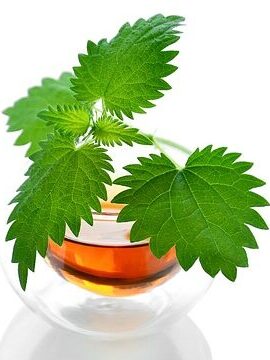
Stinging nettles (Urtica dioica) might make a prickly first impression, but beyond the sting lies a treasure trove of potential health benefits. Let’s delve into the various ways nettles can support your well-being:
1. Prostate Health: Shrinking Growth and Easing Symptoms
Stinging nettle shines in supporting prostate health. Root extracts, especially those rich in specific compounds called UDA and methanolic alcoholic extracts, show promise in both preventing prostate enlargement and potentially fighting prostate cancer. These extracts work in multiple ways:
- Blocking Growth Signals: They disrupt pathways that fuel prostate cell growth, including how male hormones (androgens) interact with prostate cells.
- Reducing Estrogen Production: Stinging nettle root extracts might help regulate estrogen levels, which can influence prostate health.
- Enzymatic Blockade: Certain enzymes in prostate cells play a role in enlargement. The extracts can inhibit these enzymes, slowing down prostate growth.
2. Relief from Prostate Enlargement Symptoms
Beyond shrinking prostate cells, stinging nettle root extracts can ease symptoms associated with an enlarged prostate (benign prostatic hyperplasia or BPH). By inhibiting specific enzymes in the prostate cell membrane, these extracts effectively halt prostate cell growth. This translates to relief from BPH symptoms like urinary discomfort and difficulty.
3. Keeping Blood Sugar in Check
Extracts from stinging nettle leaves show promise in managing diabetes. Studies suggest these extracts can:
- Reduce Sugar Absorption: They may help regulate how much sugar your intestines absorb from your food.
- Boost Insulin Production: Stinging nettle leaf extracts might stimulate your body to produce more insulin, a hormone crucial for blood sugar control.
4. Inflammation Fighter
- Stinging nettle leaf extracts contain compounds that target inflammation at its source.
- These compounds inhibit the activity of enzymes that produce signaling molecules called prostaglandins.
- Prostaglandins play a key role in inflammation, causing pain, swelling, and redness.
- By reducing prostaglandin production, nettle leaf extracts can ease discomfort associated with conditions like arthritis and muscle aches.
5. Blood Pressure Aid
- Stinging nettle leaf extracts may help reduce blood pressure through two possible mechanisms:
- Increased Urine Output (Diuresis): Nettle extracts may encourage the kidneys to remove more fluid from the body through urine. This reduces the volume of fluid pressing against blood vessel walls, potentially lowering blood pressure.
- Blood Vessel Relaxation: Nettle extracts might influence the production of specific molecules that signal blood vessels to relax and widen. Wider blood vessels allow blood to flow more easily, reducing pressure within the system.
6. Antioxidant Powerhouse
Imagine tiny, unstable molecules inside your cells acting like grenades, causing damage. Stinging nettle fights back with its secret weapon: phenolic compounds like flavonoids and caffeic acid. These antioxidants act as shields, neutralizing these harmful molecules before they damage cells. This not only protects your cells but also benefits your liver, speeds up wound healing, and even helps combat aging.
7. Pain Relief Ally
Studies suggest stinging nettle can be a natural pain reliever. The same flavonoids and caffeic acid that give it antioxidant properties may also play a role in pain relief. These compounds might reduce pain sensitivity and potentially target pain pathways in the body. Interestingly, they might also have antiviral properties!
8. A Natural Detoxifier?
- Fighting Chronic Inflammation: Nettle’s properties may help manage chronic inflammation, a common culprit in various health issues.
- Toxins Removal: Nettle may support the body’s natural detoxification processes. It might help neutralize acidic toxins and promote their elimination through urine.
9. Stinging Nettle: A Friend for Women’s Health?
1. From Pregnancy to Menopause:
- Pregnancy: Nettle tea, traditionally used for its nutrients, might be consumed during pregnancy (consult your doctor first).
- Menstrual Cramps: Nettle’s astringent properties may help ease menstrual cramps and bloating.
- Menopause: Nettle might offer some relief from hormonal fluctuations during menopause.
- Urinary Tract Infections (UTIs): Nettle’s diuretic properties may help flush out toxins and potentially reduce UTIs, which are more common in women.
2 . Skin and Bone Health:
- Skin: Nettle’s antihistamine, anti-inflammatory, and antibacterial properties might be beneficial for acne and other skin issues.
- Bones: Rich in minerals like calcium and vitamin K, nettle may support bone health and potentially delay osteoporosis.
10. Stinging Nettle: Battling Allergies Naturally
Hay fever and seasonal allergies can be a real drag. Stinging nettle might offer some natural relief, thanks to its potential anti-allergic properties:
- Histamine Blocker: Nettle may act like a shield, blocking histamine receptors, a key player in allergic reactions. This helps reduce allergy symptoms like sneezing, runny nose, and itchy eyes.
- Tames Inflammation: Nettle might also inhibit tryptase, an enzyme involved in inflammation during allergies. This could further reduce discomfort.
Pest Control and Plant Health Enhancement
- Nettle Extracts as Organic Pesticides: Studies confirm the successful use of extracted compounds from stinging nettles as organic pesticides, fungicides, and acaricides under Basic Substance regulations.
- Target Pests and Diseases: These extracts effectively target a range of common garden pests like codling moths, diamondback moths, and spider mites. Additionally, they help prevent various plant diseases including root rot, powdery mildew, and blights.
- Key Chemical: Phenolic Compounds: Research suggests that the broad-spectrum antimicrobial properties of stinging nettles stem from the presence of phenolic compounds.
From Tea to Table: Exploring Nettle’s Culinary Applications
Once the stinging properties of nettles have been neutralized through blanching or cooking, a plethora of culinary possibilities emerges:
- Nettle Infusions and Teas: Dried nettle leaves steeped in hot water yield a nourishing infusion. This beverage not only supports healthy urine production but also showcases anti-inflammatory properties beneficial to liver and kidney health.
- Soup Incorporations: Elevate traditional soups such as potato leek or creamy tomato by incorporating blanched nettle leaves. The nuanced, earthy flavor of nettles enhances the overall taste profile of these soups.
- Salad Enhancements: Transform salads with lightly sautéed nettle leaves, mixed with fresh greens, cherry tomatoes, and a zesty dressing. This unexpected addition introduces a distinctive flavor and boosts essential nutrient content.
Main Course Innovations: Embrace culinary experimentation by integrating nettles into various main dishes. Picture nettle pesto intermingling with pasta, a creamy nettle risotto, or savory nettle and cheese hand pies. Explore the unique culinary dimension that nettles offer to these dishes.
- Italian: Nettle Risotto – A creamy risotto infused with the earthy flavor of nettles, typically prepared with Arborio rice, onions, garlic, white wine, broth, and grated Parmesan cheese.
- Turkish: Nettle Börek – A savory pastry filled with a mixture of sautéed nettles, onions, garlic, and spices, wrapped in thin layers of phyllo dough and baked until golden brown.
- Japanese: Nettle Tempura – Fresh nettle leaves dipped in a light tempura batter and deep-fried until crispy, served as a crunchy appetizer or snack.
- Greek: Spanakopita with Nettles – A traditional Greek pie made with layers of flaky phyllo pastry filled with a mixture of spinach, feta cheese, onions, dill, and blanched nettles.
- Indian: Nettle Dal – A flavorful lentil soup made with blanched nettles, yellow lentils (toor dal), onions, tomatoes, garlic, and spices like cumin, coriander, and turmeric.
Stinging Nettle: A Powerful Herb with Important Precautions
Stinging nettle offers a wealth of potential health benefits, but responsible use is crucial. Here’s what you need to know:
Safe Use is Key:
- General Safety: When used as directed, stinging nettles are generally considered safe.
- Potential Side Effects: Mild stomach upset, fluid retention, sweating, diarrhea, and hives or rash (especially from topical use) are possible side effects.
- Cautious Handling: Avoid direct skin contact with the raw plant as it can cause an itchy rash.
- Pregnancy and Nettles: Pregnant women should avoid nettles due to potential menstrual cycle disruptions and miscarriage risk.
Seek Professional Guidance for Specific Conditions:
- BPH (Benign Prostatic Hyperplasia): Don’t self-treat with nettle for BPH. Consult your doctor for proper diagnosis and to rule out prostate cancer.
- Diabetes: Nettles may affect blood sugar levels. Diabetics should monitor their blood sugar closely while using nettles and consult their doctor.
- Kidney/Bladder Concerns: If you have kidney or bladder issues, speak with your doctor before using nettles due to their diuretic effect.