

Toxic Beauty and Ancient Symbolism
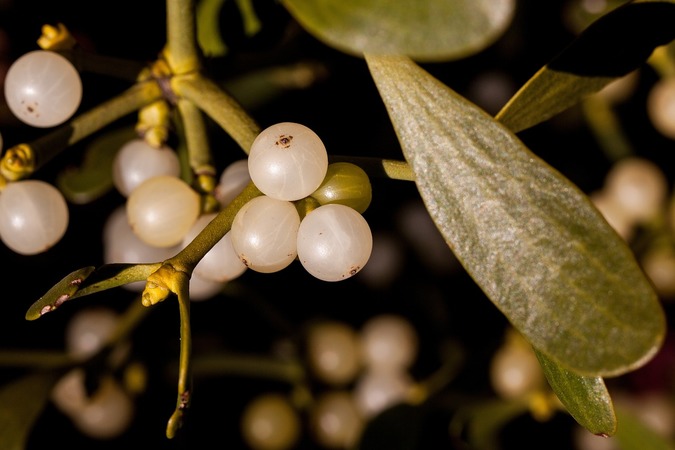
Viscum album, or European mistletoe is a semi-parasitic shrub known for its toxic nature but potential medicinal uses. Recent studies highlight its compounds’ anticancer, antiviral, and antioxidant properties, suggesting therapeutic potential, particularly in cancer treatment.
Origins and Historical Significance: Mistletoe has deep roots in ancient cultures, symbolizing fertility and protection in Greek mythology and Druidic practices. It has become integral to Christmas traditions, including the popular custom of kissing under it, blending ancient beliefs with modern festivities.
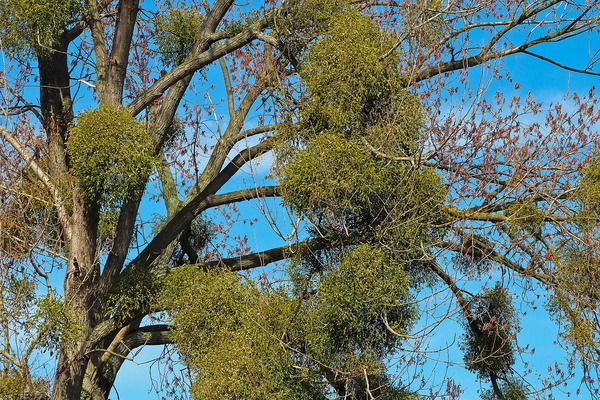
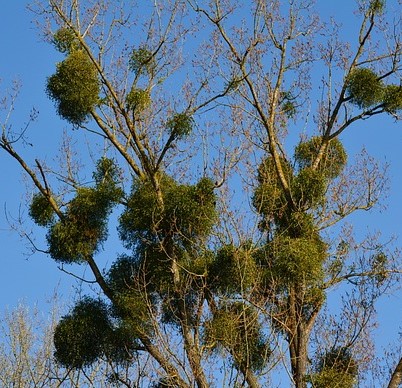
Botanical Insight: European mistletoe, despite its parasitic nature weakening host trees, continues to thrive both ecologically and culturally. Its introduction to the U.S. in 1900 marked its spread beyond Europe, illustrating its complex relationship with ecosystems and human traditions.
| – European mistletoe (Viscum album) is a semi-parasitic shrub with distinctive white berries. – Despite its toxicity, mistletoe extracts show promise in cancer treatment due to unique components. – Mistletoe holds deep cultural significance, from ancient rituals to modern Christmas traditions. – The plant’s parasitic nature creates a complex relationship with its host tree. – Mistletoe serves as a reminder of the balance between tradition and environmental responsibility. |
Chemical component of Viscum album
Viscum album, commonly known as European mistletoe, boasts a diverse chemical composition with potential medicinal benefits. Here’s a closer look at some key components:
1. Proteins:
- Viscotoxins: (e.g., Viscotoxin A1, A3) toxic proteins with immunomodulatory effects, influencing the immune system’s response.
- Lectins: carbohydrate-binding proteins with immunostimulatory properties, potentially activating immune cells.
- Viscumin: a ribosome-inactivating protein (RIP), potentially contributing to cytotoxic effects (cell death) in cancer cells.
2. Polysaccharides:
various types with immunomodulatory effects, influencing immune cell function and communication.
3. Phenolic Compounds:
- Phenylpropanoids: (e.g., Rosmarinic acid) with antioxidant and anti-inflammatory properties.
- Flavonoids: (e.g., Quercetin, Kaempferol) with various biological activities including antioxidant, anti-cancer, and anti-inflammatory effects.
4. Triterpene Acids:
(e.g., Ursolic acid) with potential anti-cancer, anti-inflammatory, and wound healing properties.
5. Non-polar Compounds:
- Lipids: various types with diverse functions, including structural roles and cell signaling.
- Volatile compounds: contribute to the characteristic aroma and flavor of mistletoe, with potential antimicrobial and antifungal activities.
Health Benefits of Viscum album (Mistletoe)
Historical and Current Use
Viscum album was used many centuries ago in traditional medicine and has recently gained scientific interest for various health benefits.
- Traditional Medicine: Used for centuries to treat epilepsy, hypertension, digestive issues, and diabetes.
- Modern Research: Interest surged in the 20th century, especially for cancer treatment.
- Chemical Composition: Contains lectins, flavonoids, phenolic acids, and other compounds, driving ongoing scientific studies.
Enhancement of Immune System
Viscum album extracts show immunomodulatory properties, affecting the immune system in various ways.
- Immunomodulatory Properties: Mistletoe extracts influence the immune system, suppressing certain chemokines while not affecting others.
- Variable Effects: Impact on immune cells depends on cell type and activation state.
- Cytokine Response: Some compounds stimulate TNF-α production, while others suppress it, indicating complex interactions.
Potential Anti-Cancer Properties
Mistletoe contains compounds like viscotoxins and lectins that show promise in cancer treatment.
- Viscotoxins: Cytotoxic proteins in mistletoe target cancer cells, causing their death without harming normal cells.
- Cytotoxicity: Target cancer cells, inducing cell death without harming normal cells.
- Mechanism: Bind to cancer cell targets, leading to apoptosis.
- Potential: Promising for targeted cancer therapies and personalized medicine.
- Lectins: These proteins bind to sugar structures on cell surfaces, activating immune responses against cancer cells.
- Cell Interaction: Bind to sugar structures on cell surfaces, activating immune responses against cancer cells.
- Inflammatory Modulation: Influence inflammatory pathways and can directly induce cancer cell death.
- Discrimination: Can differentiate between healthy and cancerous cells, useful for diagnosis and therapy.
Cardiovascular Benefits
Mistletoe shows potential in improving cardiovascular health by lowering blood pressure and regulating blood sugar levels.
- Blood Pressure: Mistletoe can lower blood pressure through various mechanisms.
- Vasodilation: Blocking calcium and promoting nitric oxide production.
- Nervous System Effects: Influencing β-adrenergic signals.
- Blood Sugar Control: Enhances insulin secretion without damaging cells, beneficial for diabetes management.
- Vascular Protection: Protects blood vessels and heart tissue.
Pain Relief and Anti-Inflammatory Effects
Mistletoe demonstrates anti-inflammatory properties, which can help in managing pain and inflammation.
- Inflammation Modulation: Mistletoe selectively modulates COX expression, reducing inflammation.
- Clinical Benefits: Potential for treating rheumatoid arthritis, joint pain, gout, and menorrhagia (excessive uterine bleeding).
- Pleurodesis: Emerging treatment for persistent air leaks with acceptable side effects.
Viscum album continues to be a focal point of research due to its multifaceted health benefits, making it a promising natural remedy with potential clinical applications.
Viscum album: More Than Just a Kiss Under the Mistletoe
Hepatoprotective: VA’s antioxidant and anti-inflammatory properties may assist in liver protection by counteracting free radical damage and alleviating inflammation.
- Liver Protection: Potential benefits in managing conditions like hepatitis and non-alcoholic fatty liver disease (NAFLD).
Neuropharmacological: Research indicates VA’s neuroprotective effects, potentially shielding brain cells from harm and enhancing cognitive function.
- Cognitive Benefits: Explores roles in managing anxiety, depression, and neurodegenerative diseases.
Anti-Diabetic: Early research suggests VA’s ability to enhance insulin sensitivity and regulate blood sugar levels.
- Diabetes Management: VA’s antioxidant and anti-inflammatory properties may also contribute.
Anti-Obesity: VA’s capacity to regulate fat metabolism and appetite is under investigation, indicating a possible role in weight management.
- Weight Management: The research results show that there was a significant drop in total cholesterol, triglyceride, and low-density lipoprotein levels that were high before treatment with the leaf extract.
Nephroprotective and Anti-Diuretic Studies suggest VA may safeguard kidney function and reduce urine output.
- Kidney Protection: Potentially beneficial for individuals with certain kidney conditions, though further research is required.
Anti-Bacterial and Wound Healing: VA’s potential antimicrobial and wound-healing properties are being explored.
- Antimicrobial Properties: Offers promise for various applications, requiring more research and clinical trials.
Anti-Ulcer: VA’s potential to shield the stomach lining and minimize ulcer formation is under investigation.
- Ulcer Prevention: Further research is necessary to confirm these benefits.
| Important Note: While these potential benefits are promising, Viscum album (VA) can be toxic if not used correctly. It should only be used under the guidance and supervision of a healthcare professional due to potential side effects and interactions with medications. |
Potential Side Effects and Risks
Allergic Reactions:
- Mistletoe use can trigger allergic reactions, requiring immediate medical attention for symptoms like itching or swelling.
Drug Interactions:
- Caution is essential due to potential interactions with medications, especially blood thinners and immunosuppressants.
- Individuals on medication should consult their healthcare provider before using mistletoe to prevent complications.
Ingestion Risks:
- Consuming berries or leaves directly is unsafe and may result in severe side effects such as vomiting, diarrhea, seizures, and liver damage.
Dosage and Supervision:
- Hence, taking European mistletoe should be undertaken only under the guidance of a healthcare professional to ensure proper dosage and safety.
Pregnancy and Breastfeeding Considerations
- Pregnant and breastfeeding individuals are advised to avoid using mistletoe due to limited research on its safety.
- It is recommended to err on the side of caution and consult with a healthcare professional before considering the use of mistletoe in these situations.
- The uncertainties surrounding potential risks and effects on the developing fetus or breastfeeding infant emphasize the importance of seeking professional guidance for informed decision-making.