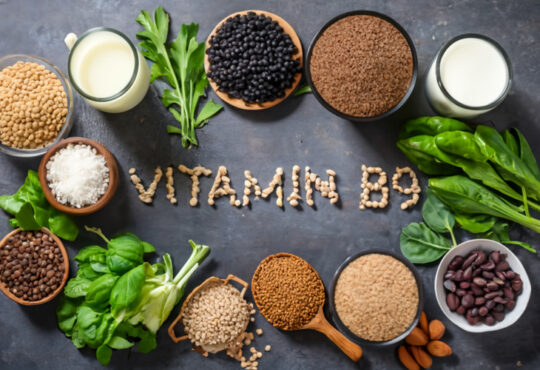



Vitamin B1: The Cornerstone of Cellular Health
Vitamin B1, also referred to as thiamine, is an essential nutrient vital for sustaining overall health and well-being. As one of the eight essential B-vitamins, it participates in a range of metabolic processes crucial for energy metabolism and nerve function. Vitamin B1 is integral to converting carbohydrates into energy, supporting nerve impulses, and bolstering the cardiovascular and immune systems.
Role in the Body: Vitamin B1 is pivotal in converting ingested food into energy. It aids in the metabolism of carbohydrates, fats, and proteins, ensuring efficient utilization of these nutrients for energy production. Furthermore, it fosters the proper functioning of the nervous system and contributes to the growth and maintenance of healthy cells.
Health Benefits of Vitamin B1
Vitamin B1 offers a range of essential benefits for our well-being, including:
- Energy Production: As discussed below, Vitamin B1 plays a critical role in converting carbohydrates into usable energy, powering our daily activities.
- Nervous System Support: It contributes significantly to proper nerve function and communication, influencing cognitive function and overall brain health.
- Immune System Enhancement: Adequate Vitamin B1 levels can bolster the immune system, supporting its ability to fight off infections and illnesses.
- Potential Benefits for Heart Health: Studies suggest a correlation between sufficient Vitamin B1 intake and reduced risk of cardiovascular issues, although further research is needed.
- Blood Sugar Management: Vitamin B1 may play a role in regulating blood sugar levels, potentially aiding in diabetes management.
Thiamine’s Role in Energy Metabolism and Nerve Function
Vitamin B1 serves as a cornerstone for both energy production and healthy nerve function within the body. Here’s a detailed exploration of its mechanisms:
Energy Production:
- Coenzyme Formation: Vitamin B1 is converted to thiamine pyrophosphate (TPP), a vital coenzyme required for several metabolic pathways.
- Carbohydrate Breakdown: TPP plays a key role in glycolysis, the process by which carbohydrates are broken down into pyruvate, a crucial intermediate molecule.
- Energy Generation: Pyruvate enters the mitochondria, where it undergoes further breakdown in the TCA cycle (Tricarboxylic Acid cycle) to generate ATP, the primary cellular energy currency.
- Amino Acid Utilization: Additionally, TPP facilitates the utilization of amino acids for energy production.
The Impact of Deficiency:
A lack of Vitamin B1 disrupts these processes, leading to:
- Reduced ATP Production: This can cause fatigue, weakness, and hinder overall physical and mental performance.
- Beriberi: In severe deficiency cases, a condition called beriberi can develop, manifesting as nerve damage, muscle weakness, and heart problems.
Nerve Function:
- Dual Role: Vitamin B1 functions as both an enzyme cofactor and a structural component within nerve cells.
- Neurotransmitter Synthesis: It supports the production of essential neurotransmitters like acetylcholine, crucial for proper nerve signal transmission and brain function.
- Myelin Sheath Maintenance: Vitamin B1 contributes to the health of the myelin sheath, a fatty layer insulating nerve fibers and enabling efficient signal conduction.
Deficiency and Consequences:
Inadequate Vitamin B1 levels can lead to:
- Nerve Damage: This can manifest as tingling, numbness, and pain along nerve pathways.
- Cognitive Impairment: Deficiencies can contribute to problems with memory, learning, and concentration.
- Wernicke-Korsakoff Syndrome: Severe cases may lead to this condition, characterized by amnesia, confusion, and vision problems.
A Potential Ally for Heart Health:
Reduced Risk of Cardiovascular Issues: Several studies have suggested a potential correlation between adequate thiamine intake and a reduced risk of cardiovascular conditions. These conditions include:
- Hypertension (High Blood Pressure): Vitamin B1 may play a role in regulating blood pressure, potentially reducing the risk of hypertension.
- Heart Failure: Adequate thiamine levels might contribute to improved heart function and a lower risk of heart failure.
- Cardiovascular Mortality (Death from Heart Disease): Research suggests a possible link between sufficient Vitamin B1 intake and a decreased risk of death from heart disease.
Food sources rich in Vitamin B1 and recommended daily intake
Fortunately, Vitamin B1 can be easily obtained from various food sources.
- Whole grains, such as brown rice and oats, are rich in Vitamin B1 and provide essential dietary fiber.
- Legumes, including lentils and black beans, are excellent sources of this vitamin.
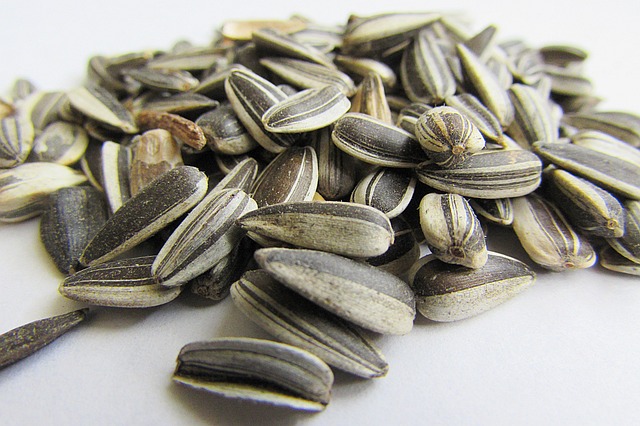
- Nuts and seeds, such as sunflower seeds and peanuts, contain significant amounts of Vitamin B1.
- Lean meats, fish, eggs, and fortified cereals also serve as good sources of Vitamin B1.
Incorporating a variety of these foods into your diet can help ensure an adequate intake of Vitamin B1.
Recommended Daily Intake:
The recommended daily intake of Vitamin B1 can vary depending on age and sex. Here’s a general guideline:
- Adults: 1.1 to 1.2 milligrams (mg) for males and 0.8 to 0.9 mg for females.
- Pregnant and breastfeeding women may require slightly higher amounts.
Causes and Risk Factors for Vitamin B1 Deficiency
Vitamin B1 deficiency can occur due to several factors. Here’s a breakdown of the key contributors:
Dietary Factors:
- Poor Diet: Limited intake of foods rich in Vitamin B1, such as whole grains, legumes, and nuts, can lead to deficiency.
- Processed Foods: Processing can remove significant amounts of Vitamin B1 from foods like grains.
Medical Conditions:
- Malabsorption Issues: Conditions like Crohn’s disease or following bariatric surgery can hinder nutrient absorption, including Vitamin B1.
Lifestyle Habits:
- Alcohol Abuse: Chronic alcohol consumption disrupts Vitamin B1 absorption and utilization in the body.
Other Risk Groups:
- People who rely heavily on processed foods
- Pregnant and breastfeeding women (may require slightly higher intake)
Vitamin B1 Deficiency and Beriberi
Vitamin B1 Deficiency Symptoms:
A deficiency in Vitamin B1 can manifest in various ways, ranging from mild to severe. Here’s a breakdown of the common signs and symptoms:
- General: Fatigue, weakness, poor coordination, and muscle pain or tenderness.
- Digestive: Poor appetite and constipation.
In severe cases of deficiency, neurological symptoms can develop:
- Neurological: Confusion, memory problems, and even nerve damage.
Beriberi: A Complication of Severe Deficiency
Beriberi is a serious condition caused by a severe lack of Vitamin B1. It primarily affects two major systems in the body:
- Cardiovascular System (Wet Beriberi): Symptoms include heart failure, edema (fluid buildup), and rapid heartbeat.
- Nervous System (Dry Beriberi): This form presents with confusion, memory problems, burning sensation in the feet, and muscle weakness.
Wernicke-Korsakoff syndrome, another neurological disorder, can also be a consequence of severe Vitamin B1 deficiency.
The Importance of Food Fortification
The fortification of food staples with Vitamin B1 has significantly reduced the prevalence of beriberi in developed countries with well-established nutritional practices. This public health measure ensures a more adequate intake of thiamine for the population, preventing the occurrence of this debilitating condition.