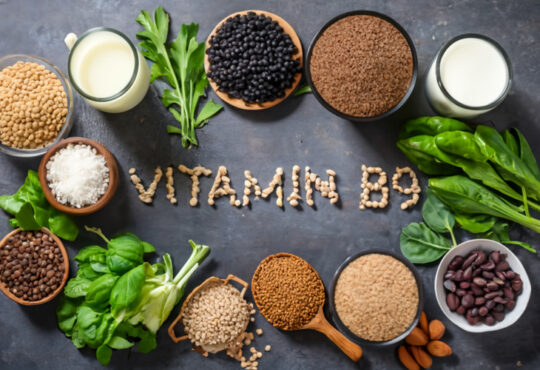



What is Vitamin B3 (Niacin)?
Vitamin B3, also called niacin, is a vital nutrient that belongs to the B-complex group. It plays a key role in keeping you healthy by helping your body with various important jobs. These include:
- Energy production: Niacin helps turn your food into fuel that your body can use.
- DNA repair: It keeps your genetic material (DNA) in good shape.
- Molecule synthesis: Niacin aids in building important molecules like cholesterol and fatty acids, which your body needs to function properly.
Since it dissolves in water, niacin is a water-soluble vitamin. This means your body doesn’t store it, and you need to get it regularly through your diet.
A Historical Mystery Solved
Back in the 1700s, a strange disease called pellagra caused a lot of confusion for doctors. People with pellagra suffered from skin problems, diarrhea, and even dementia. The cause remained unknown for a long time.
Then, in the early 1900s, a scientist named Joseph Goldberger made a breakthrough discovery. Through his research, he found that pellagra was actually caused by a lack of vitamin B3 (niacin). This was a major turning point in our understanding of nutrition. Goldberger’s work not only explained the mystery of pellagra, but it also showed how important vitamin B3 is for overall health.
The Importance of Niacin for Overall Health
Niacin, or vitamin B3, is a versatile catalyst in essential biochemical reactions, crucial for energy production, digestion, and DNA maintenance. Adequate niacin intake is vital for converting food into energy, synthesizing macromolecules, and responding to stress. Recognized by the European Food Safety Authority, niacin contributes to normal energy metabolism, nervous system function, and the maintenance of skin and mucous membranes.
1. Fueling Your Cells: Energy Production
Niacin exists in two main forms: nicotinic acid and nicotinamide. These forms combine with other molecules to create essential coenzymes called NAD and NADP. These coenzymes act like tiny spark plugs within your cells, driving the reactions that convert food into usable energy. Without sufficient niacin, your cells struggle to function properly, leading to fatigue and sluggishness.
2. Keeping Your Body Running Smoothly: Niacin Metabolism and Conversion
When you consume niacin-rich foods, your body gets to work transforming it into its active forms (nicotinamide and nicotinic acid). These active forms then partner up with various enzymes throughout your body, acting as crucial cogs in the intricate machinery of your metabolism. This intricate dance ensures that all your bodily functions stay synchronized and running optimally. The liver plays a major role in processing niacin, breaking it down through specific pathways to make it readily available for use.
3. Beyond Energy: Niacin’s Impact on Cellular Function
Niacin goes beyond just fueling your cells. This vital nutrient acts as a cellular guardian, safeguarding the integrity and functionality of your cells. In addition to its role in energy production, niacin supports essential processes like:
- DNA Repair: Niacin helps your cells repair damage to their genetic material (DNA), ensuring the fidelity of your genetic code.
- Gene Expression: Niacin plays a role in regulating how your genes are turned on and off, ensuring your cells produce the proteins they need for proper function.
- Cellular Signaling: Niacin facilitates the production of signaling molecules within your cells, allowing them to communicate effectively and respond to various stimuli.
Niacin, particularly its derivative nicotinamide, also acts as a key player in DNA repair processes, protecting cells from damage and maintaining the stability of your genetic information.
4. Keeping Your Heart Healthy: The Link between Vitamin B3 and Cardiovascular Health
Specifically, the nicotinic acid form of niacin plays a significant role in cardiovascular health. For individuals with type 1 diabetes, high-dose niacin may help delay the need for insulin therapy. Additionally, it has shown promise in lowering “bad” LDL cholesterol and triglycerides, while increasing “good” HDL cholesterol. However, it’s important to be aware that high-dose niacin can cause side effects like flushing of the skin and may have potential long-term risks like liver damage. Therefore, any high-dose niacin therapy should be done under the supervision of a doctor.
5. Niacin and Blood Pressure Regulation
Niacin can help regulate blood pressure by promoting vasodilation, which is the widening of blood vessels. This improves blood flow throughout the body and reduces strain on the heart. This vasodilatory effect might explain why some people feel calmer after consuming niacin-rich foods.
6. A Double-Edged Sword: Niacin’s Dual Impact on Atherosclerosis
High-dose nicotinic acid shows promise in preventing atherosclerosis, the buildup of plaque in arteries, by lowering LDL and triglyceride levels. However, it’s important to note that niacin can also increase homocysteine levels, which are associated with an increased risk of heart disease. Therefore, careful consideration is needed to balance these effects for effective cardiovascular risk management.
7. Vitamin B3 and Cancer Risk
Some early studies suggest a potential link between increased vitamin B3 intake and a lower risk of mouth and throat cancer. However, more research and larger studies are needed before any definitive conclusions can be drawn. Cancer development is complex and influenced by various factors, and individual responses to nutrient intake can vary. Therefore, it’s best to interpret these findings with caution and consult a healthcare professional for personalized advice.
8. Niacin and COPD: An Interesting Link
A study suggests a possible connection between dietary niacin intake and a lower risk of chronic obstructive pulmonary disease (COPD). The study found that adults who consumed more niacin in their diet had a lower prevalence of COPD, and this effect became stronger with higher niacin intake.
Niacin for Everyone: Meat, Fish, Plants – You Choose!
Whether you’re a meat lover, a pescatarian (eats fish), or vegetarian, there’s a niacin-rich option for you. Here’s a breakdown:
Meat lovers: Beef, chicken, turkey – all excellent sources.
Pescatarians: Salmon and tuna are packed with niacin.
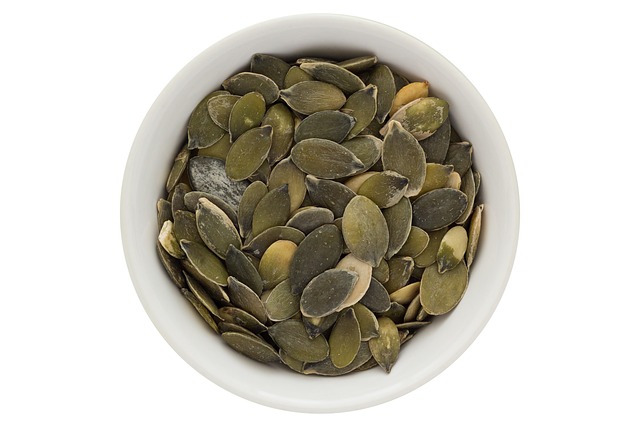
Vegetarians: Legumes (beans, lentils), whole grains (brown rice, oats), and nuts (almonds, peanuts) are all excellent choices for niacin. And the good news keeps coming! Pumpkin seeds and sunflower seeds are also rich sources of this essential vitamin.
Niacin Deficiency: Signs, Causes, and Getting Enough
Spotting Niacin Deficiency
Niacin deficiency, thankfully, is quite rare with a balanced diet. But if you’re curious about the warning signs, here’s what to watch out for:
- Feeling drained: Fatigue is a common symptom.
- Headaches: You might experience frequent headaches.
- Skin problems: Look out for rashes and other skin issues.
- Digestive woes: Diarrhea and other digestive problems can occur.
- Mental health changes: Memory loss and even depression are possible.
What Puts You at Risk?
While a balanced diet usually provides enough niacin, some factors can increase your risk of deficiency:
- Poor diet: Skipping out on niacin-rich foods like meat, fish, nuts, and whole grains can put you at risk.
- Medical conditions: Certain conditions can affect niacin absorption.
- Medications: Some medications can interfere with niacin levels.
- Heavy alcohol use: If you drink a lot of alcohol, your body might not absorb niacin as well.
Niacin Supplements: Friend or Foe?
Supplements can be a handy way to ensure you get enough niacin. However, there are some things to consider:
- Niacin flush: Don’t be alarmed by a tingling sensation or flushed skin when you start taking supplements. It’s temporary and harmless.
How Much Niacin Do You Need?
The recommended daily intake of niacin varies by age and sex, but generally:
| Life Stage | Recommended Amount (mg NE) | Life Stage | Recommended Amount (mg NE) |
|---|---|---|---|
| Birth to 6 months | 2 | Teen boys 14–18 years | 16 |
| Infants 7–12 months | 4 | Teen girls 14–18 years | 14 |
| Children 1–3 years | 6 | Adult men 19+ years | 16 |
| Children 4–8 years | 8 | Adult women 19+ years | 14 |
| Children 9–13 years | 12 | Pregnant teens and women | 18 |
If you suspect a deficiency or have certain health conditions, a doctor might recommend higher doses. Always consult a healthcare professional before changing your supplement routine.
Choosing the Right Supplement
- Look for reputable brands: Opt for brands known for quality and trust the USP Verified Mark for meeting strict standards.