

What is Vitamin B5?
Vitamin B5, also known as pantothenic acid, is an essential nutrient that plays a crucial role in maintaining overall health and well-being. It is a water-soluble vitamin that belongs to the B-complex group of vitamins. Vitamin B5 is involved in a wide range of physiological functions, including energy metabolism, skin health, stress reduction, cardiovascular health, and brain function.
This essential nutrient is like a conductor in your cells, overseeing the conversion of food into usable energy. It’s particularly important for the production of coenzyme A (CoA), a molecule that acts as a key player in numerous processes throughout your body.
The Multifaceted Role of Vitamin B5 in the Body
Vitamin B5, also known as pantothenic acid, is a ubiquitous nutrient found naturally in various foods, fortified products, and dietary supplements. Beyond its basic dietary role, vitamin B5 plays a crucial part in numerous biochemical processes within the body.
Energy Production Powerhouse
Within the intricate machinery of the cell, vitamin B5 plays a critical role in facilitating energy metabolism:
- The Coenzyme A Connection: Vitamin B5 plays a starring role in the production of coenzyme A (CoA). Think of CoA as a key that unlocks the energy potential stored in your food.
- Breaking Down Nutrients: With CoA in action, vitamin B5 helps break down carbohydrates, fats, and proteins into their usable building blocks. These components become the fuel your body runs on.
- Powering Up with ATP: The ultimate goal is the creation of ATP, the body’s primary energy currency. Vitamin B5’s contribution to this process ensures your cells have the fuel they need to function properly, keeping you feeling energized and preventing fatigue.
Maintaining a Healthy Skin Barrier
Vitamin B5 is more than just an energy booster; it’s also a key player in maintaining healthy skin. Here’s how it works:
- Strengthening the Barrier: Imagine your skin as a fortress. Vitamin B5 acts like reinforcements, helping to strengthen the skin barrier, the outermost layer that shields you from environmental aggressors like pollutants, UV radiation, and harmful bacteria.
- Locking in Moisture: A strong skin barrier is key to preventing moisture loss. By reinforcing the barrier, vitamin B5 helps keep your skin hydrated, promoting a plump and healthy appearance.
- Benefits for Acne and Wound Healing: Research suggests vitamin B5 offers additional benefits for specific skin concerns. It can help regulate sebum production, which can contribute to acne development. Additionally, vitamin B5 may promote wound healing by supporting tissue regeneration.
Energizing Brain Function and Health
Vitamin B5 also plays a crucial role in brain health and function. Here’s how:
- Fueling the Brain: Once absorbed, vitamin B5 transforms into a key player in the citric acid cycle. This cycle breaks down nutrients for energy production, which is essential for optimal brain function. Think of it as providing the fuel your brain needs for peak performance, enhancing memory, focus, and clarity.
- Building Blocks for Brain Health: Vitamin B5 goes beyond just energy. It also supports fatty acid synthesis and enzyme functions critical for brain health. These processes contribute to the production of neurotransmitters, the chemical messengers that brain cells use to communicate. Additionally, they help create other vital molecules essential for proper brain function.
- Potential Benefits for Mood and Cognitive Function: Studies suggest a positive association between vitamin B5 intake and mental well-being. This points towards a potential role in mood regulation. Furthermore, research indicates vitamin B5 may improve memory and learning abilities, potentially contributing to overall brain health and even reducing the risk of age-related cognitive decline.
Stress Management through Adrenal Support
The Adrenal Connection: The adrenal glands are small organs located atop the kidneys. They are responsible for producing various hormones, including cortisol, a key player in the body’s stress response. Cortisol helps regulate blood sugar levels, mobilize energy during stressful situations, and suppress inflammation.
Aiding Hormone Synthesis: Research suggests that vitamin B5 contributes to the synthesis of these stress-fighting hormones within the adrenal glands. By supporting this process, vitamin B5 helps ensure the body has the necessary hormonal resources to adapt to stressful situations.
Potential Benefits for Cardiovascular Health
Pantethine’s Potential: Pantethine, a derivative of vitamin B5, has shown promise in regulating cholesterol levels and triglyceride synthesis. Studies indicate it may influence lipoprotein metabolism by increasing cellular CoA levels. This has led to exploring pantethine as a potential treatment option for hyperlipidemia, particularly for individuals who cannot tolerate statin medications.
Vitamin B5 Levels and Heart Disease Risk: Observational research suggests a link between higher plasma vitamin B5 levels and a lower risk of coronary heart disease (CHD). This association appears to follow an L-shaped curve, with the greatest benefit observed in individuals with lower baseline vitamin B5 concentrations. Further investigation is needed to elucidate the underlying mechanisms, but these findings warrant further exploration.
Sources of Vitamin B5: A Widespread Nutrient
Vitamin B5, is a ubiquitous nutrient found in a wide variety of plant and animal-based foods. This ensures that incorporating vitamin B5 into your diet is achievable through a balanced and diverse food intake. Let’s explore some excellent sources:

- Top Animal Sources: Organ meats like liver and kidney are champions when it comes to vitamin B5 content. Beef, chicken, and eggs are also valuable contributors.
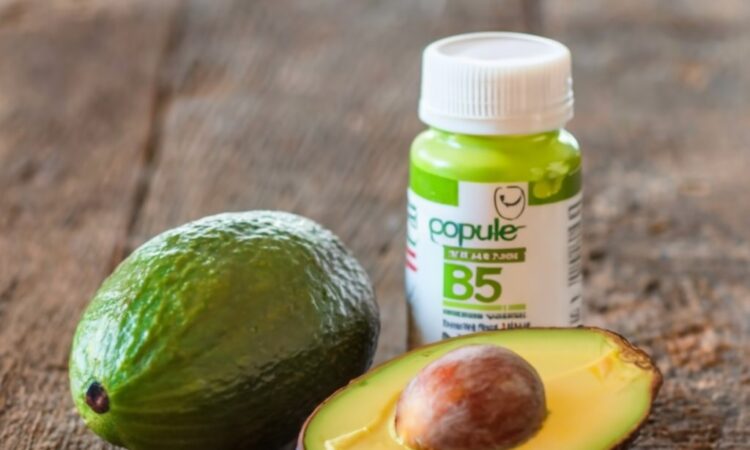
- Plant-Based Bounty: The good news is that vegetarians and vegans can also get plenty of vitamin B5! Vegetables like broccoli and potatoes, along with mushrooms and avocados, are all excellent plant-based sources.
- Seeds: Tiny Contributors: While not the most concentrated sources, several types of seeds offer a decent amount of vitamin B5 alongside other essential nutrients. These include sunflower seeds, pumpkin seeds, sesame seeds, flaxseeds, and chia seeds.
- Dairy Delights: Dairy products like milk and yogurt can also contribute to your daily vitamin B5 intake.
- Whole Grains for Added Benefit: Whole grains such as brown rice and oats provide not only fiber but also a good amount of vitamin B5.
Recommended Daily Intake of Vitamin B5
Vitamin B5, a crucial nutrient for various bodily functions, is fortunately found in a wide range of foods. To ensure you’re getting enough, understanding the recommended daily intake (RDI) is essential. However, it’s important to remember that individual needs can vary.
General Recommendations:
The RDI for vitamin B5 varies depending on age and gender. Here’s a breakdown for adults:
- Adults (19+ years): 5 milligrams (mg) per day
- Pregnant Women: 6 mg per day
- Lactating Women: 7 mg per day
Factors Affecting Individual Needs:
While the RDI provides a baseline, several factors can influence your specific vitamin B5 requirements:
- Age: Children and adolescents generally require lower amounts compared to adults.
- Pregnancy and Lactation: As mentioned earlier, pregnant and breastfeeding women have increased needs due to fetal development and milk production.
- Medical Conditions: Certain health conditions may increase vitamin B5 requirements. Consulting a healthcare professional is crucial in such cases.
- Medications: Some medications can interfere with vitamin B5 absorption. Discussing this with your doctor can help determine if you need adjustments.
How to Ensure Adequate Intake
- Prioritize a Balanced Diet: Including a variety of vitamin B5-rich foods like meat, fish, eggs, dairy products, whole grains, legumes, vegetables, and even some seeds can significantly contribute to your intake.
- Consider Supplementation: If you struggle to meet your needs through diet alone, a healthcare professional can advise on safe and appropriate vitamin B5 supplements.