


What is Biotin?
Biotin, recognized as Vitamin B7, stands as a vital water-soluble nutrient essential for various metabolic functions within the human body. Its significance was illuminated by a groundbreaking discovery in the early 20th century, spurred by observations of skin and hair issues in rats consuming diets abundant in raw egg whites. This led to the identification of avidin, a protein within egg whites that inhibits biotin absorption, thus revealing biotin’s indispensable role in maintaining optimal skin and hair health.
Biotin’s Importance:
- Essential for Cellular Function: Biotin acts as a cofactor for enzymes involved in breaking down fats, carbohydrates, and proteins for energy production.
- Beyond Metabolism: It also contributes to healthy gene regulation and cell communication pathways.
- Absorption and Storage: While most dietary biotin is bound to protein, our bodies efficiently absorb the free form for optimal utilization. The liver serves as the primary storage site for this essential vitamin.
Vitamin B7 with Diverse Health Benefits
Biotin, also known as Vitamin B7, is a water-soluble B-complex vitamin that plays a vital role in various bodily functions. Often associated with promoting healthy hair, skin, and nails, biotin offers a wider range of benefits, impacting everything from energy levels to fetal development.
Supporting Healthy Hair, Skin, and Nails
Biotin is particularly noted for its contributions to the maintenance and improvement of hair, skin, and nail health. This is particularly evident in individuals suffering from biotin deficiency, where the vitamin’s role in keratin synthesis becomes crucial. Keratin is a fundamental protein that forms the structural framework for hair, nails, and skin cells. By facilitating keratin production, biotin promotes the growth and integrity of these tissues, leading to enhancements in hair strength, skin elasticity, and nail quality.
According to a study published in the Journal of Clinical and Aesthetic Dermatology, biotin supplementation has been shown to improve nail thickness and reduce nail brittleness in individuals with nail disorders1.
Enhanced Energy Levels and Metabolism
Biotin acts as a vital cofactor in various metabolic pathways, ensuring the efficient conversion of nutrients into energy. It is integral to the function of several carboxylase enzymes, which are involved in key metabolic processes such as gluconeogenesis (the production of glucose), fatty acid synthesis, and the breakdown of amino acids.
A study published in the Journal of Nutrition found that biotin deficiency in rats resulted in impaired glucose tolerance and reduced fatty acid oxidation, highlighting the importance of biotin in energy metabolism2.
Supporting Cognitive Function
Biotin shares similarities with thiamine (vitamin B1) in its role in glucose metabolism, which is particularly relevant for cognitive function, especially in individuals with diabetes or those experiencing neurological impairments related to glucose metabolism.
Research has indicated that deficiencies in B vitamins, including biotin, are prevalent among patients with type II diabetes, suggesting a potential therapeutic role for biotin in managing cognitive health in this population. A study published in the Journal of Nutrition, Health & Aging, found that biotin supplementation improved cognitive function in elderly individuals with mild cognitive impairment3.
Biotin’s Impact on Metabolism
Central to biotin’s function is its involvement in the metabolism of carbohydrates, fats, and proteins. By facilitating these metabolic processes, biotin plays a key role in the conversion of dietary nutrients into usable energy, thereby supporting a robust metabolic function throughout the day.
Biotin and Weight Management
While biotin is essential for metabolic health, it should not be considered a direct solution for weight loss. Nonetheless, by supporting a healthy metabolic rate, biotin can indirectly aid in weight management strategies when combined with a balanced diet and regular physical activity.
A study published in the Journal of Nutrition and Metabolism found that biotin supplementation improved lipid metabolism and reduced body weight in obese mice4.
Promoting Healthy Pregnancy and Fetal Development
Biotin is of particular importance during pregnancy, where it plays a critical role in the healthy development of the fetus. It is involved in various embryonic developmental processes and is essential for the formation of the neural tube and the proper functioning of the placenta.
A study published in the Journal of Nutrition found that biotin supplementation during pregnancy improved fetal growth and reduced the risk of neural tube defects in rats5.
Power Up with Biotin: Delicious Foods and Recipes
Get Biotin from Your Food!
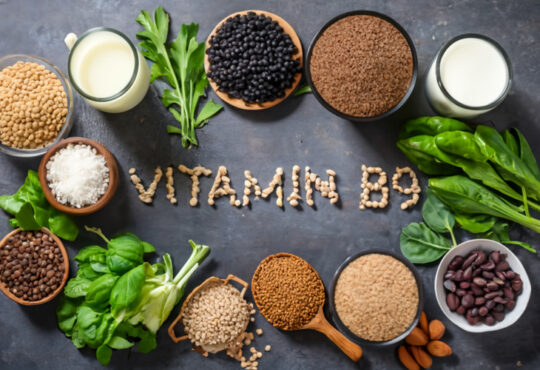
The good news is that you can get plenty of biotin from a variety of delicious foods. Here are some great sources:
- Eggs: Especially the yolks, which are packed with biotin.
- Nuts and Seeds: Almonds, sunflower seeds, and peanuts are all biotin superstars.
- Fish and Meat: Salmon, tuna, and cooked beef liver are excellent biotin sources.
- Dairy: Milk, cheese, and yogurt are all good options to boost your biotin intake.
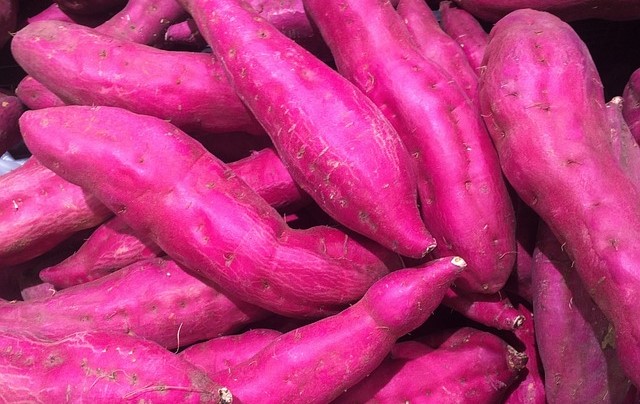
- Vegetables: Sweet potatoes, spinach, and mushrooms add a biotin punch to your meals.
Biotin Recipes for the Win!
Eating healthy doesn’t have to be bland! Here are some recipe ideas to get you started:
- Rainbow Power Salad: Combine spinach, sliced almonds, and a hard-boiled egg for a colorful and nutritious salad.
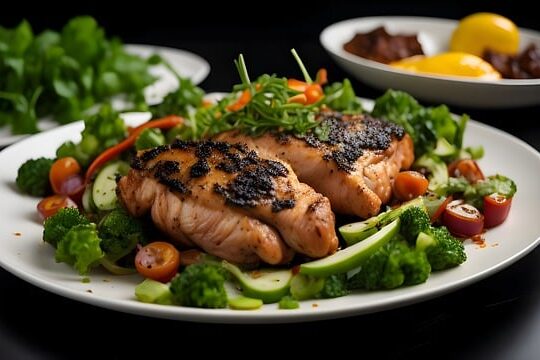
- Sesame-Crusted Salmon: Bake salmon and sprinkle with sesame seeds for a delicious and biotin-rich main course.
Biotin Deficiency: Signs, Causes, and How to Avoid It
How Common is Biotin Deficiency?
The good news is that biotin deficiency is uncommon for people who eat a balanced diet. However, certain factors can increase your risk.
Causes of Biotin Deficiency:
- Medical conditions: Some medical conditions can affect how your body absorbs biotin.
- Medications: Prolonged use of antibiotics or certain seizure medications can interfere with biotin absorption.
- Diet: Diets very low in biotin-rich foods can lead to deficiency over time. This is more common in people who rely heavily on processed foods.
- Alcohol consumption: Excessive alcohol consumption can hinder biotin absorption.
Warning Signs of Biotin Deficiency:
Your body might give you clues if you’re not getting enough biotin. Here are some common symptoms:
- Hair and Nails: Thinning hair, brittle nails, and hair loss.
- Skin: Dry, scaly skin or a red rash around the mouth, eyes, and nose.
- Fatigue and Muscle Issues: Feeling tired, weak, or experiencing muscle cramps.
- Neurological Symptoms: Depression, tingling in the hands and feet, or difficulty walking (in severe cases).
Risks of Biotin Deficiency:
Left untreated, biotin deficiency can lead to:
- Increased risk of infections
- Impaired growth in infants
- Developmental delays in children
Consulting a Doctor:
If you suspect a deficiency, it’s important to talk to your doctor. They can assess your needs and recommend a suitable course of action based on your individual situation and the recommended Adequate Intake (AI) levels established by the National Institutes of Health (NIH) Office of Dietary Supplements (ODS). This table provides a helpful reference point for both you and your doctor when determining if a biotin supplement might be necessary.
Biotin Supplements:
Biotin supplements are generally safe, but it’s important to consult a doctor before taking any supplements, especially at high doses. This is because high doses of biotin can interfere with certain medical tests. Your doctor can advise you on the best course of action for your individual needs and recommend a safe and appropriate dosage if a supplement is deemed necessary.tunesharemore_vert
References:
- Fuchs, J., & Podda, M. (2008). Biotin and skin health. Journal of Clinical and Aesthetic Dermatology, 1(2), 20–23. ↩︎
- Zempleni, J., & Mock, D. M. (1999). Biotin. In Modern Nutrition in Health and Disease (pp. 469–476). Lippincott Williams & Wilkins. ↩︎
- Ford, A. H., Almeida, O. P., Flicker, L., & Alfonso, H. (2018). B-vitamins and cognitive decline in the elderly. Journal of Nutrition, Health & Aging, 22(2), 186–191. ↩︎
- Liu, Y., Liu, X., Li, Y., & Li, X. (2019). Biotin supplementation improves lipid metabolism and reduces body weight ↩︎
- Zempleni, J., & Mock, D. M. (2001). Biotin deficiency impairs neurulation in rat embryos. The Journal of Nutrition, 131(10), 2661-2665. ↩︎