


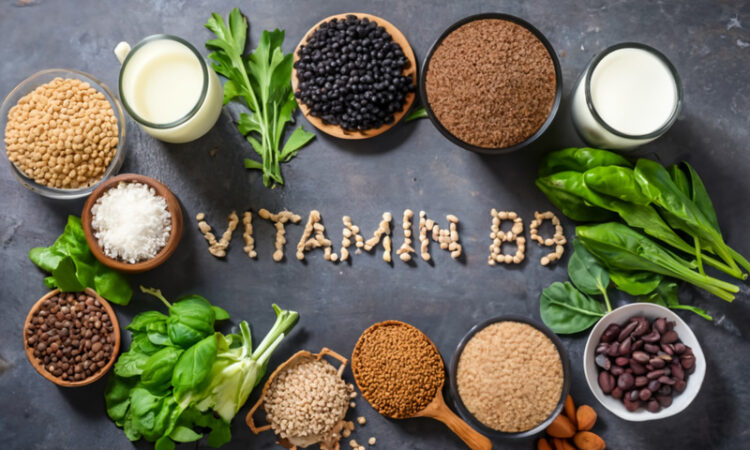
All About Vitamin B9: Your Essential Nutrient Guide
Vitamin B9, also known as folate, is a crucial nutrient your body needs regularly. It belongs to the B-vitamin complex and is water-soluble, meaning your body doesn’t store it for long periods. Let’s delve deeper into the world of Vitamin B9, exploring its importance, different forms, and how to incorporate it into your diet for optimal health.
Why Your Body Needs Vitamin B9
Folate plays a vital role in various bodily functions, including:
- DNA and Cell Production: It’s essential for creating DNA, the genetic blueprint for your cells. This is especially important during growth periods like infancy and pregnancy.
- Amino Acid Metabolism: Folate helps convert food into usable energy by aiding in the breakdown of amino acids, the building blocks of proteins.
- Red Blood Cell Formation: It contributes to the production of healthy red blood cells, which carry oxygen throughout your body.
Understanding Folate vs. Folic Acid
There are two main forms of Vitamin B9:
- Folate: The natural form found in various foods like leafy green vegetables, fruits, and legumes.
- Folic Acid: The synthetic form produced in labs. It’s more stable and readily absorbed by the body, so it’s commonly used in supplements and fortified foods like cereals and breakfast bars.
Fueling Your Body with Vitamin B9
Now that you understand the importance of Vitamin B9, let’s explore how to ensure you’re getting enough:
Animal-Based Sources:
If you enjoy animal products, you’re in luck! Here are some excellent sources of Vitamin B9:
- Liver: A powerhouse of folate, but consume it in moderation due to its high vitamin A content.
- Eggs: A good source of folate, particularly in the yolk.
- Dairy Products: Milk and cheese can contribute to your daily intake of Vitamin B9.
Plant-Based Powerhouses of Vitamin B9
The good news for plant-based eaters is that Vitamin B9 is readily available in a variety of delicious options!
- Legumes: Lentils are folate champions, with one cup offering a whopping 90% of the Daily Value (DV). Chickpeas, black beans, and other legumes are also excellent sources.
- Fruits and Nuts: Citrus fruits like oranges and grapefruits are folate-rich. Nuts and seeds like peanuts and sunflower seeds contribute as well.
- Leafy Greens: Embrace the bounty of folate in spinach, kale, and lettuce. Don’t forget broccoli, asparagus, Brussels sprouts, and avocado for a well-rounded intake.
- Fortified Options: Plant-based milk and cereals fortified with folic acid provide an additional boost of this essential vitamin.
The Role of Vitamin B9 in Promoting Overall Health
Vitamin B9 and Cellular Function
DNA and RNA Synthesis:
- Biomolecules: Vitamin B9 (folate coenzymes), DNA, RNA
- Physiological Action: Folate coenzymes donate single carbon units for the synthesis of DNA and RNA nucleotides, the building blocks of genetic material. These molecules are crucial for cell growth, division, and repair. Folate coenzymes also participate in methylation reactions, which add methyl groups to molecules, influencing gene expression and protein function.
Red Blood Cell Production:
- Biomolecules: Vitamin B9 (folate), Vitamin B12, iron
- Physiological Action: Folate facilitates the differentiation of stem cells into red blood cell precursors. It works synergistically with Vitamin B12 and iron for the maturation of red blood cells (erythropoiesis). This ensures the continuous production of red blood cells for efficient oxygen transport throughout the body.
Potential Benefits for Cardiovascular Health:
- Biomolecules: Vitamin B9 (folate), Vitamin B6, Vitamin B12, homocysteine
- Physiological Action: B vitamins, including B9, B6, and B12, contribute to the metabolism of homocysteine, an amino acid. Elevated homocysteine levels are linked to an increased risk of heart disease. Maintaining optimal B vitamin levels through diet helps regulate homocysteine levels and potentially reduces cardiovascular risk.
Energy Production:
- Biomolecules: Vitamin B9, glucose, ATP (adenosine triphosphate)
- Physiological Action: Vitamin B9 participates in the metabolic breakdown of carbohydrates (glucose) into usable energy. It plays a role in the folate cycle, which regenerates a coenzyme essential for converting glucose into ATP, the primary cellular energy currency.
Cognitive Function and Memory:
- Biomolecules: Vitamin B9 (folate), Vitamin B12, neurotransmitters (e.g., acetylcholine)
- Physiological Action: Sufficient B9 and B12 intake supports the production of neurotransmitters involved in memory and cognitive function, such as acetylcholine. This may enhance cognitive abilities like memory recall, processing speed, and working memory, particularly in older individuals.
Mood Regulation and Depression:
- Biomolecules: Vitamin B9 (folate), neurotransmitters (e.g., serotonin)
- Physiological Action: Folate is necessary for the synthesis of neurotransmitters like serotonin, which influence mood regulation. Low folate levels have been associated with depression, but the effectiveness of folic acid supplementation for treating depression requires further investigation.
Potential Role in Cancer Prevention:
- Biomolecules: Vitamin B9 (folate), DNA
- Physiological Action: A folate-rich diet may offer protection against cancer development. Folate is thought to contribute to maintaining DNA integrity, potentially reducing the risk of mutations that can lead to cancer. However, the exact mechanism is not fully understood.
Age-Related Macular Degeneration (AMD):
- Biomolecules: B vitamin complex (B6, B9, B12), antioxidants (vitamins C & E), carotenoids (beta-carotene & lutein)
- Physiological Action: While the evidence is not conclusive, B vitamins might help reduce oxidative stress and inflammation associated with AMD. Combining B vitamins with antioxidants and carotenoids may offer additional protection for macular health.
Age-Related Hearing Loss:
- Biomolecules: Vitamin B9 (folate), homocysteine
- Physiological Action: Studies suggest that folic acid supplementation might potentially slow down age-related hearing loss, particularly in individuals with elevated homocysteine levels. Folate may play a role in reducing homocysteine-induced damage to auditory structures, but further research is needed to confirm this association.
Vitamin B9 (Folate) and Pregnancy
Folate, also known as vitamin B9, is an essential nutrient with a critical role in supporting a healthy pregnancy. Its primary functions center on cellular processes vital for proper fetal development.
Neural Tube Closure:
- Function: Folate is essential for the closure of the neural tube during early pregnancy, which forms the foundation of the brain and spinal cord.
- Benefit: Adequate folate intake reduces the risk of neural tube defects (NTDs) such as spina bifida.
Fetal Growth and Development:
- Function 1: Folate supports the production of red blood cells, which transport oxygen throughout the body, including to the developing fetus.
- Function 2: Folate participates in DNA synthesis and methylation reactions, crucial for cell division and proper organ and tissue formation in the baby.
- Benefit: Folate ensures optimal oxygen delivery and supports the building blocks for healthy fetal growth.
Folate Intake: How Much Do You Need?
Folate, also known as vitamin B9, is a crucial nutrient for overall health. To ensure you’re getting enough, it’s helpful to understand the Recommended Dietary Allowances (RDAs) which are expressed in micrograms (mcg) of Dietary Folate Equivalents (DFE). This unit accounts for the different absorption rates of folate from food compared to folic acid found in supplements.
Daily Folate Needs:
- Adults (19+): 400 mcg DFE per day is the recommended intake for most adults. Folate supports various bodily functions, including cell division, DNA synthesis, and amino acid metabolism.
- Pregnancy: For pregnant women, the RDA increases to 600 mcg DFE per day. This heightened need helps ensure proper fetal development and prevents neural tube defects in the developing baby.
- Lactation: Lactating women require 500 mcg DFE of folate daily. This supports both the mother’s health and provides essential nutrients for the breastfed infant.
Special Considerations:
- Alcohol Consumption: Individuals who regularly consume alcohol are advised to increase their folate intake to at least 600 mcg DFE per day. Alcohol can impair folate absorption and utilization within the body. A higher intake helps compensate for this negative effect.
| FAQ 1. How do I know if I have a deficiency of vitamin B9? A deficiency in vitamin B9 may present with symptoms such as fatigue, weakness, pale skin, difficulty concentrating, shortness of breath, and possibly anemia. However, only a healthcare professional can provide a definitive diagnosis through blood tests. 2. Can I rely solely on supplements for my vitamin B9 intake? While supplements can be beneficial, it’s generally recommended to obtain nutrients from a balanced diet. Whole foods like leafy greens, legumes, and fortified grains offer a variety of essential nutrients, including vitamin B9. 3. Are there any risks associated with excessive vitamin B9 intake? Excessive intake of vitamin B9 from natural food sources is unlikely to cause harm. However, high doses from supplements may lead to adverse effects. It’s crucial to follow recommended daily allowances and consult a healthcare professional before taking high-dose supplements. 4. Can vitamin B9 be obtained through fortified foods? Yes, vitamin B9, particularly folic acid, can be obtained through fortified foods. Many cereals, bread, and other grain products are fortified with folic acid, contributing to overall dietary intake. It’s essential to check food labels for information on fortification. |