

White lily: A Historic Journey and Its Benefits
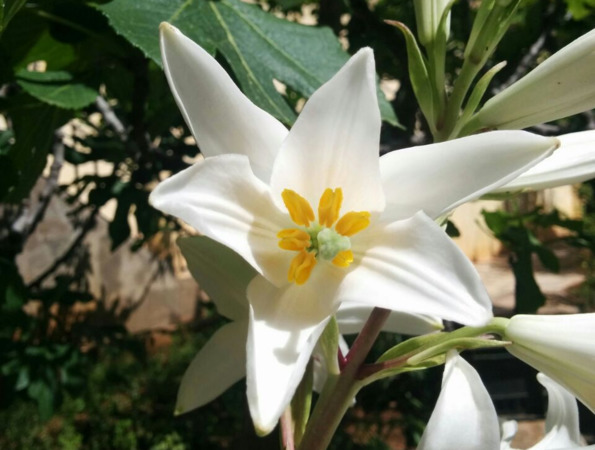
The Madonna Lily, or white lily, scientifically known as Lilium candidum, stands as a testament to human civilization’s enduring fascination with nature’s beauty and symbolism. Originating potentially from Levant countries, it has accompanied humanity for over 4,000 years, leaving an indelible mark across cultures and epochs. Its journey begins in antiquity, evidenced by its presence in civilizations such as Egypt around 2500 BC, as well as Assyria and Minoan cultures. Greek mythology adds a whimsical touch to its origins, attributing it to drops of milk spilled by the goddess Hera, thereby cementing its symbolism of beauty, fertility, and prosperity.
The Multifaceted Symbolism of Lilies
Lilies transcend cultures and time, carrying a rich tapestry of meanings. Their pristine form evokes purity and new beginnings, while their recurring blooms symbolize life’s cyclical nature and the promise of renewal. Their elegance graces countless works of art and literature.
White Lily: Purity Personified
Among lilies, the Madonna Lily holds a special place. Steeped in symbolism, it represents innocence and unwavering hope. Its strong association with the Virgin Mary since the Middle Ages solidified its embodiment of purity and integrity. This symbolism wasn’t confined to religion, as both the Romans and the French House of Bourbon revered it. Folklore further cemented its cherished status with tales of magical properties.
Beyond Beauty: Medicinal Potential:
The Madonna Lily’s significance goes beyond its symbolic allure. For centuries, various cultures have used it in folk medicine. Originating in the Middle East, it has been used as a natural remedy for ailments like age-related diseases, burns, and ulcers. While its medicinal benefits have long been recognized in traditional practices, science is now catching up. Researchers are actively investigating the Madonna Lily’s potential anti-inflammatory, anti-diabetic, and anti-viral properties.
Chemical Components of Madonna Lily
The Madonna Lily (Lilium candidum) was a captivating flower with a rich history of cultivation and symbolic meaning. But beneath its elegant beauty lay a wealth of chemical compounds with potential medicinal applications. This perennial bulbous plant boasted a diverse array of bioactive components, including vitamins B1, B2, and C, as well as minerals such as calcium, iron, phosphorus, and copper.
Chemical Compounds and Their Groups:
- Terpenes: Linalool, citronellal
- Sesquiterpenes: Caryophyllene, humulene, neridiol
- Flavonoids: Quercetin, isorhamnetin, kaempferol
- Carotenoids
- Steroidal alkaloids: Beta-sitosterol
- Steroid saponins
- Tannins
Health Benefits of White Lily (Lilium candidum)
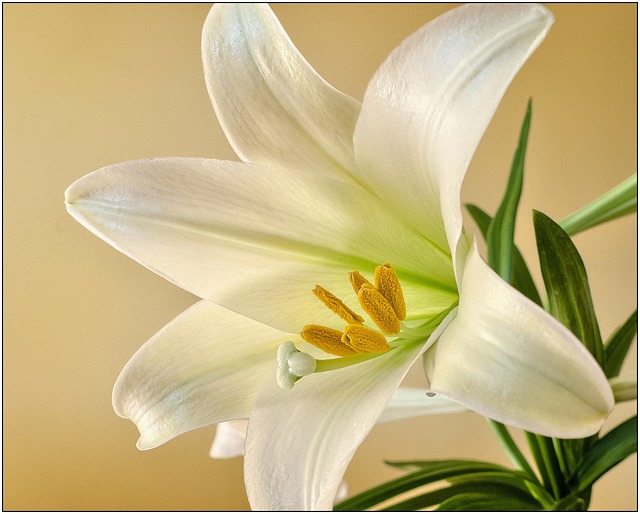
Lilium candidum, commonly known as the Madonna Lily, boasts a rich history of use in traditional medicine. Modern research is increasingly exploring its potential health benefits, revealing a promising array of therapeutic properties. Here’s a structured analysis of these benefits, supported by current scientific understanding:
1. Anti-Inflammatory Activity:
- Folklore and Modern Confirmation: L. candidum extracts have long been used for treating inflammatory conditions like ulcers and burns. Scientific studies now support this traditional knowledge, demonstrating the plant’s anti-inflammatory properties.
- Mechanisms of Action: The presence of various steroids and steroid glycosides within the plant likely contributes to its anti-inflammatory effects. Specifically, research has identified spirostanol and furostanol saponins isolated from fresh bulbs as key contributors. Additionally, compounds like beta-sitosterol and beta-sitosterol glucoside found in the petals further enhance its ability to combat inflammation.
2. Antitumor Activity:
- Cytotoxic Effects: Extracts of L. candidum show promising results in inducing cell death (cytotoxicity) in human breast carcinoma cells. This effect may be mediated by P53-mediated apoptosis induction, a process triggering programmed cell death in cancer cells.
- Immune System Modulation: Polysaccharides isolated from the plant have demonstrated potential in animal models to enhance immune function, thereby inhibiting tumor growth.
- Alkaloid Activity: Certain alkaloids present in L. candidum exhibit cytotoxic activity against cancer cells, suggesting its potential as a natural antitumor agent. However, further research is needed to fully elucidate the specific mechanisms involved.
3. Antibacterial Activity:
The White Lily extract demonstrates antibacterial properties against various microorganisms. In a recent study, it was found that the extract inhibits the growth of tested bacterial species, as indicated by the growth inhibition zones observed with different concentrations of White Lily extract oil and ethanol. The extract shows inhibitory effects on both Gram-positive and Gram-negative bacteria. Additionally, the White Lily extract’s action on tested microorganisms suggests its potential as a natural antibacterial agent.
4. Hepatoprotective Activity:
- Liver Protection: Studies using the methanol extract of L. candidum flowers indicate the presence of active ingredients with hepatoprotective potential, meaning they may help protect the liver from damage. While the specific bioactive substances responsible remain unidentified, these findings warrant further investigation into the plant’s potential for promoting liver health.
5. Lilium’s Antioxidant Potential
Lilium extracts boast more than just their established antibacterial and anti-inflammatory properties. Studies suggest the flower’s richness in flavonoids, well-known antioxidants, may play a significant role in wound healing. These antioxidants could potentially accelerate healing by promoting new blood vessel growth and collagen production, while also neutralizing harmful free radicals that impede the process. This exciting discovery paves the way for further research to fully comprehend Lilium’s antioxidant and overall wound-healing mechanisms at a molecular level.
6. White Lily: A Potential Ulcer Fighter?
The elegant White Lily (Lilium candidum) might hold promise against stomach ulcers. Studies are exploring its potential as a natural option for this common condition.
Research suggests a hydroalcoholic extract of White Lily flowers, rich in beneficial compounds, significantly reduced ulcer formation in rats. This finding aligns with its traditional use in Indian folk medicine for treating ulcers. Further research is needed to confirm its effectiveness and identify the specific components responsible for these potential anti-ulcer benefits.
A Natural Ingredient in Whitening Cosmetics

Lilium candidum (White Lily) transcends its ornamental value, emerging as a promising ingredient in whitening cosmetics. This botanical extract boasts a wealth of bioactive compounds, including phenolic acids and flavonoids, which have demonstrated potential for skin lightening and pigmentation control. The natural properties of L. candidum extracts offer a compelling alternative to traditional whitening agents, potentially addressing concerns about safety and efficacy associated with some synthetic ingredients.
Research suggests that L. candidum extracts may exert their whitening effects through various mechanisms, including:
- Tyrosinase Inhibition: These extracts may inhibit the activity of the enzyme tyrosinase, a key player in melanin production. By reducing melanin synthesis, L. candidum extracts could contribute to a lighter and more even skin tone.
- Antioxidant Activity: Phenolic acids and flavonoids possess antioxidant properties, potentially mitigating the formation of hyperpigmentation caused by free radical damage.
Important Considerations Regarding Lilium candidum Use
1. Cat Warning:
- L. candidum, despite its potential health benefits, can be toxic to cats.
- Ingestion can cause severe kidney damage.
2. Consult a Healthcare Professional:
- Before using any L. candidum extracts for health reasons, consult a healthcare professional.
- This ensures a personalized evaluation of:
- Potential benefits
- Potential risks
- Interactions with medications
- Your individual health condition