

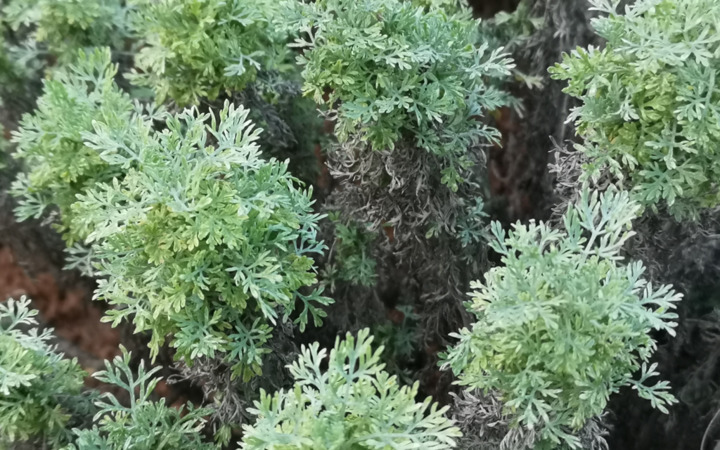
Artemisia absinthium – wormwood, 中亚苦蒿, Absinthe, Absinthe amère, Alsem, Ajenjo, Assenzio, Wermut, Полынь, Pelin otu, ニガヨモギ, Malurt, Malört, شيبة – أفسنتين.
Wormwood’s Rich History
Artemisia absinthium, commonly known as wormwood, emerges as a botanical powerhouse with a rich history rooted in traditional medicine. Beyond its enigmatic association with the world of absinthe, this herb harbors a myriad of medicinal benefits, extending its reach across diverse ailments. From its role as a potent antispasmodic and antiseptic to its efficacy in tackling inflammation and fungal infections, Artemisia absinthium stands as a versatile herbal remedy.
Ancient Uses
Wormwood has been used for medicinal purposes since ancient times. The ancient Egyptians used it to treat various ailments, including fever and menstrual pain. The Greeks and Romans used it as a digestive aid and to stimulate appetite. Wormwood was also used in traditional Chinese medicine to treat digestive issues.
Cultural Significance
Wormwood has played a significant role in many cultures throughout history. It was believed to have magical properties and was used in various religious and spiritual practices. In ancient Greece, it was associated with the goddess Artemis, and in ancient Egypt, it was used in the embalming process. Wormwood was also used in medieval times as a symbol of bitterness and sorrow.
Historical Production
Wormwood has been cultivated for centuries for its medicinal and culinary properties. It was commonly grown in monasteries during the Middle Ages and was used to make various medicines and liqueurs. In the 19th century, wormwood became a popular ingredient in absinthe, a highly alcoholic drink that was banned in many countries due to its potential side effects.
Chemistry of Wormwood
Wormwood, a herb with a long history of medicinal and culinary use, boasts a diverse array of chemical components that contribute to its unique properties. These components can be categorized into several groups:
- Essential Oils: Thujones (cis and trans), myrcene, γ-terpinene, 1,4-terpeniol, bornyl acetate, camphene, and others.
- Terpenoids (including some essential oils): Myrcene, trans-thujone, guaiazulene, chamazulene, and many others listed under essential oils.
- Lactones: Absinthins (dimeric guaianolides) – Considered the main bioactive ingredients.
- Organic Acids: Coumaric, syringic, salicylic, chlorogenic, and vanillic acids.
- Resins and Tannins (Less well-studied components)
- Phenols: Camphor, linalool, and others.
- Flavonoids and Flavonoid Glycosides: Quercetin, isorhamnetin, and their glycosides.
- Isoflavone Glycosides (Less common)
| Artemisinin Confusion: Don’t mistake wormwood for Artemisia annua (sweet wormwood). The antimalarial star, artemisinin, is primarily found in sweet wormwood, while containing very small doses in wormwood, which is not efficient as an antimalarial. Thujone: Caution Advised. While thujone, a key compound in wormwood, is generally safe in moderation, it can be toxic in high doses. Due to potential side effects, thujone is even controlled in some countries. |
Wormwood: Nature’s Herbal Remedy
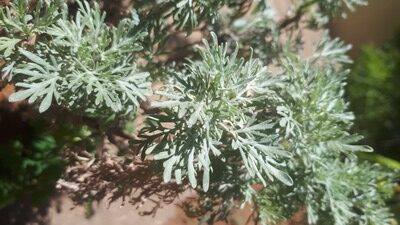
Digestive Aid
Wormwood, scientifically known as Artemisia absinthium L., has long been revered in folk medicine as a digestive aid. Despite its content of psychoactive thujones, it maintains popularity for its medicinal benefits. Studies indicate its potential as a gastroprotective agent, with extracts demonstrating a reduction in gastric juice volume and peptic activity. The bitter taste of wormwood stimulates the production of digestive juices, aiding in the breakdown of food. Moreover, it supports liver and gallbladder function, enhancing the digestion of fats.
How does wormwood act? It exerts its effects through various mechanisms. Wormwood contains bitter substances like sesquiterpene lactones (e.g., absinthin and artabsin), which stimulate stomach activity reflexively. Additionally, its essential oils, rich in compounds like thujone, contribute to its diverse effects. Wormwood also contains tannins and vitamin C, further enriching its medicinal profile and reinforcing its status as a multifaceted herbal remedy.
Antiparasitic Properties
Wormwood has been found to have antiparasitic properties, Wormwood, a plant known for its strong properties against harmful parasites, has been found to be effective against tapeworms, specifically the type called Hymenolepis nana. In studies, extracts from wormwood have shown promising results in both test tubes and living organisms, reducing the number of tapeworms. These extracts work by causing paralysis and death in the tapeworms, as well as damaging their outer covering and disrupting their ability to absorb nutrients. Overall, wormwood demonstrates potential as a natural remedy for tapeworm infections.
α-Thujone: A Crucial Component in Absinthe
In Artemisia absinthium, commonly known as wormwood, both α-thujone and β-thujone are present in its essential oils. These compounds, classified as terpenoids, contribute to the plant’s characteristic aroma and flavor. α-Thujone is considered the principal active ingredient responsible for the plant’s effects, including its potential medicinal properties and its toxic effects at high doses, particularly in absinthe. β-Thujone is also found in wormwood, albeit often in lower concentrations compared to α-thujone. While β-thujone shares some similar properties with its α counterpart, it is generally considered less toxic.
α-Thujone: Immuno-modulatory & Antitumor Potential
The active component of wormwood, α-thujone, demonstrates potential immuno-modulatory and antitumor activities. Studies reveal its ability to inhibit the proliferation of glioblastoma cells, angiogenesis, and stimulate an anticancer immune response. Additionally, α-thujone shows promising effects against melanoma metastasis and colon cancer cells, promoting CD3AK cell proliferation and cytotoxicity. Its pro-apoptotic properties, possibly through inducing oxidative stress, make it a candidate for cancer therapy. Moreover, α-thujone exhibits cytotoxicity and inhibits cell proliferation in various human cell lines, with potential antigenotoxic effects at low doses.
Anti-inflammatory Effects of Wormwood
In a clinical trial on Crohn’s disease (CD), Artemisia absinthium extract significantly improved symptoms, reducing levels of the inflammatory marker TNF-ɑ. This aligns with findings detailed in the book “Natural Plant Products in Inflammatory Bowel Diseases.” Patients experienced lower scores on the Crohn’s Disease Activity Index (CDAI) and the Inflammatory Bowel Disease Questionnaire (IBDQ). Earlier research also showed positive outcomes with wormwood extract. However, caution is warranted due to the neurotoxic potential of high doses of wormwood essential oil.
– Wormwood Extract: Easing Joint Pain
Wormwood extract holds promise in relieving joint pain associated with osteoarthritis and shows potential when used alongside conventional treatments for rheumatoid arthritis. Studies suggest that it may contribute to reduced pain and fewer affected joints in individuals receiving standard rheumatoid arthritis therapies. However, further research is needed to determine its standalone efficacy in managing rheumatoid arthritis symptoms.
Wormwood: A Neuro-Contradictory Plant
Neurotoxic Properties: Wormwood, scientifically known as Artemisia absinthium L., possesses neurotoxic properties primarily attributed to thujone, a monoterpene ketone prevalent in its essential oil. Thujone, when present in concentrations surpassing threshold levels, can induce neurotoxic effects, including dose-dependent tonic-clonic seizures in animals. This neurotoxicity is believed to stem from thujone’s modulation of GABA type A receptors, disrupting neurological function and contributing to historical concerns surrounding absinthism.
Neuroprotective Properties: Recent investigations suggest that wormwood may harbor neuroprotective properties, particularly in the context of stroke treatment. Experimental studies, particularly in rats, hint at wormwood’s potential to offer neuroprotection. While the precise mechanisms underlying these effects are still under exploration, the chemical composition of wormwood, including thujone, holds promise in unlocking its neuroprotective potential. Thujone, in this context, may play a dual role, contributing not only to neurotoxic effects but also to potential neuroprotective benefits, underscoring the complex and contradictory nature of wormwood as a medicinal plant.
Wormwood: Antibacterial & Antifungal Properties
Wormwood (Artemisia absinthium) contains a variety of terpenes, including thujone, camphor, pinene, myrcene, limonene, borneol, and caryophyllene. These terpenes are responsible for the plant’s distinctive aroma and may contribute to its medicinal properties. Among them, thujone and camphor are particularly noteworthy for their antimicrobial activity, which plays a role in wormwood’s ability to combat bacteria like Staphylococcus aureus and fungi like Candida albicans.
Hepatoprotective Properties of A. absinthium
A. absinthium, commonly known as wormwood, harbors potent hepatoprotective properties owing to its diverse array of bioactive compounds. Phenolic acids, flavonoids, sesquiterpene lactones, and tannins found in this plant exhibit antioxidant effects, effectively scavenging free radicals such as hydrogen peroxide and DPPH. These compounds play a crucial role in mitigating liver injury and maintaining hepatic function. However, caution is warranted regarding high doses, as the bioactive constituent thujone, known for its antioxidant and anti-inflammatory properties, may induce hepatotoxicity.
Renal and Diabetic Health Benefits
Research suggests that A. absinthium, or wormwood, offers significant renal benefits, particularly in the context of diabetic nephropathy. The antioxidant activity of wormwood extract contributes to the protection of kidney tissues, potentially by restoring normal enzyme levels and mitigating oxidative damage. Additionally, certain active compounds present in A. absinthium, such as thujone, demonstrate hypoglycemic effects by enhancing insulin sensitivity, thereby aiding in the management of diabetic complications affecting renal function.
Insecticidal Potential of A. absinthium
A. absinthium’s insecticidal properties are well-documented, with its characteristic odor acting as a natural repellent against various pests. Extracts and essential oils derived from A. absinthium have demonstrated effectiveness in repelling and controlling pests such as flies, fleas, mosquitoes, and ticks. Notably, its ethanolic extracts have shown potential as alternatives to synthetic acaricides, inhibiting cattle tick egg hatching. Additionally, the essential oil has exhibited toxicity to granary weevils and stored product pests, highlighting its role in eco-friendly pest management practices.
Creative Culinary Uses of Artemisia absinthium

Absinthe Risotto: Absinthe-infused risotto showcases the distinct flavor of Artemisia absinthium without the need for alcoholic beverages. The anise-like notes of absinthe complement the creamy texture of the risotto, adding a delightful herbal twist to this classic dish.
Wormwood-infused Grilled Fish: Mediterranean cuisine often incorporates Artemisia absinthium to infuse grilled fish with a unique herbal flavor. The subtle aroma of wormwood enhances the natural taste of the fish, creating a delightful culinary experience reminiscent of coastal dining.
Absinthe-inspired Chocolate Truffles: Indulge in decadent chocolate truffles inspired by the flavors of absinthe. These truffles feature the herbal complexity of Artemisia absinthium without the need for alcoholic ingredients, offering a luxurious treat with a hint of aromatic bitterness.
Wormwood Herbal Tea Blend: Enjoy a soothing cup of herbal tea by blending Artemisia absinthium with other botanicals. This tea blend captures the earthy and slightly bitter notes of wormwood, providing a comforting beverage option that is caffeine-free and full of natural flavor.
A Unique Moroccan Tradition: “Atay b’Chiba”
In Morocco, people call two closely related plants by the same name: Chiba. These are grand wormwood (Artemisia absinthium) and a shrubby type called Artemisia arborescens.
The key difference is their growth habit. Grand wormwood is a herbaceous perennial, meaning it dies back to the ground each winter but returns year after year. It has fewer woody parts compared to Artemisia arborescens. In contrast, Artemisia arborescens is an evergreen shrub. It has tall, woody stems that stay green year-round and are covered in soft, white hairs.
Despite these differences, both plants are commonly referred to as Chiba because they are widely grown and readily available in Morocco.
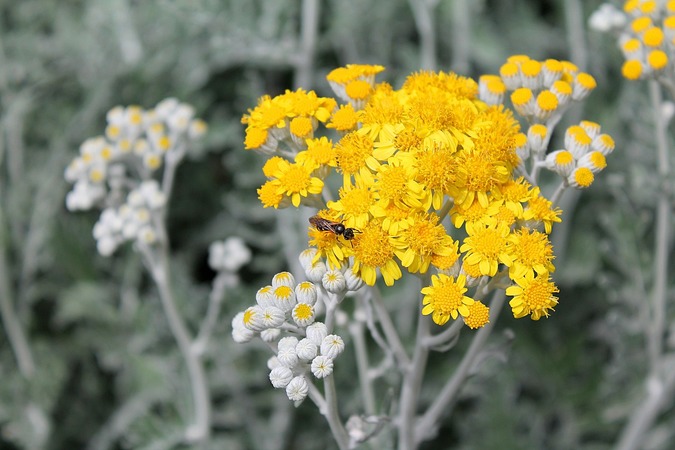
Moroccan tea with wormwood
“Atay b’Chiba,” in Moroccan Arabic, translates to “tea with wormwood” and embodies a singular and flavorful winter beverage steeped in tradition. This aromatic tea showcases wormwood (Artemisia absinthium), known locally as “chiba,” providing an exclusive and delightful sensory experience unique to Morocco.
- Unique Ingredient: The star of Atay b’Chiba is chiba, fresh leaves from the wormwood plant (Artemisia absinthium).
- Winter Tradition: Moroccans traditionally brew Atay b’Chiba during the colder months, often associating it with warming properties or potential relief from respiratory issues.
- Preparation Method: The key to enjoying Atay b’Chiba lies in the preparation. Steeping the chiba leaves in hot water for a few minutes beforehand significantly reduces the thujone content and bitterness, while still capturing the plant’s characteristic aroma.
- Flavor Profile: The resulting tea boasts a nuanced complexity with a subtle bitterness balanced by the invigorating essence of spearmint (often added for freshness). This creates a comforting and distinctive concoction cherished throughout Morocco.
Important Safety Considerations Regarding Wormwood
While wormwood offers potential health benefits, it’s crucial to prioritize safety due to the presence of thujone, a compound that can negatively affect the nervous system and fertility, particularly at high doses or with prolonged use. Here are key points to remember:
- Pregnant Women: Wormwood consumption is strictly contraindicated for pregnant individuals due to potential risks to both maternal and fetal health.
- Allergic Reactions: Contact with wormwood, ingestion, or even exposure to its pollen can trigger allergic reactions such as rhinitis (runny nose) and dermatitis (skin inflammation).
- Consult a Healthcare Professional: Always consult a doctor before using wormwood, especially if you have pre-existing health conditions or are taking medications. This ensures you understand potential interactions and are using wormwood safely.